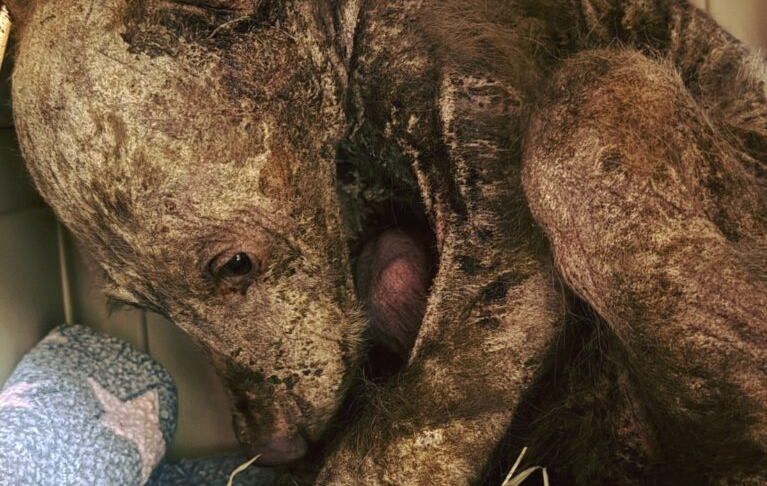
Čierne medvede sú vo svojom prirodzenom prostredí neuveriteľné tvory – mocné a majestátne. Je preto srdcervúce vidieť ich trpieť a chradnúť takmer od hladu. V decembri 2024 sa odborníci na zvieratá z Gold Country Wildlife Rescue (GCWR) v North Auburn v Kalifornii dozvedeli o tragickom prípade. Hoci im srdcervúce záchrany neboli cudzie, táto nimi otriasla do morku kostí. V okrese El Dorado našli mladého čierneho medveďa, ktorý sa sám snažil prežiť. Medveď trpel dehydratáciou, anémiou a ťažkou kožnou infekciou. Bol schúlený vo svojej klietke a hľadel na svoje obrovské laby.
„Bolo srdcervúce vidieť medveďa v takom hroznom stave,“ povedala pre The Dodo Chelsea Engbergová, manažérka marketingu a vzťahov s verejnosťou spoločnosti GCWR . Kombinácia osirenia a ťažkej podvýživy pravdepodobne spôsobila reťazovú reakciu, ktorá viedla k rýchlemu zhoršeniu jeho zdravia ešte predtým, ako zasiahli záchranári. Záchranári vykonali podrobné vyšetrenie a vypracovali pre trpiaceho medveďa dôkladný liečebný plán. Medveď vážil iba 20 libier, takže všetci vedeli, že jeho cesta k uzdraveniu bude náročná. Boli však odhodlaní urobiť všetko pre to, aby ho zachránili.
Medvedíček sa zotavuje
Po týždňoch starostlivosti sa na kedysi plešatej tvári mláďaťa začali objavovať známky rastu novej srsti. „Aj keď sa to môže zdať ako malá zmena, skutočnosť, že na jeho tvári začíname vidieť chlpy, je vzrušujúcim ďalším krokom v jeho ceste k uzdraveniu,“ zdieľala GCWR v aktualizácii na Facebooku. Postupom času rástla v záchrannom tíme nádej. Mláďa začalo prejavovať svoju divokú, hravú stránku a užívalo si hračky a veci na obohatenie svojho terária, od detského bazéna až po hojdaciu sieť s požiarnou hadicou. Tím si udržiaval odstup, aby mu dal čo najlepšiu šancu na návrat do voľnej prírody. Vo februári bola premena ohromujúca – mláďa vyzeralo ako úplne nový medveď.
“We’re always amazed by the wild animals in our care, and this little bear is one of the most amazing recoveries we’ve seen,” Engberg said. In February 2025, when The Dodo covered the story, experts said they needed more time to decide the cub’s future. The California Department of Fish and Wildlife will ultimately determine whether he’ll be released back into the wild or remain in a protected sanctuary. Either way, everyone involved clearly has his best interests at heart. For now, the cub remains in the care of GCWR, where staff are deeply moved by his incredible resilience. “He was in such poor condition when he arrived that in many ways he didn’t even resemble a bear,” Engberg said. “The fact that he’s grown most of his fur back and remains wild and uninterested in humans is something everyone at GCWR continues to be proud of every day.”
The bear cub found a new home
Then, on May 13, GCWR posted a touching update on its Facebook page, along with a new photo of the once-suffering bear, now looking nearly unrecognizable. They said CDFW had decided that the cub would not be returned to the wild, but would be transferred to a sanctuary.

“If you haven’t seen this cub before, he came to us late last year sick and almost completely hairless. He’ll soon have his final checkup and vaccinations so he’ll be all set to go to his forever sanctuary home when they’re ready to take him. Stay tuned for updates as they happen,” they wrote.
Although this poor bear had an incredibly rough start in life, he was able to turn things around with the help of the dedicated team at Gold Country Wildlife Rescue – and we couldn’t be happier! “His journey highlights the value of collaborative care in wildlife rehabilitation,” says Dana Fasolett, director of animal care at GCWR.